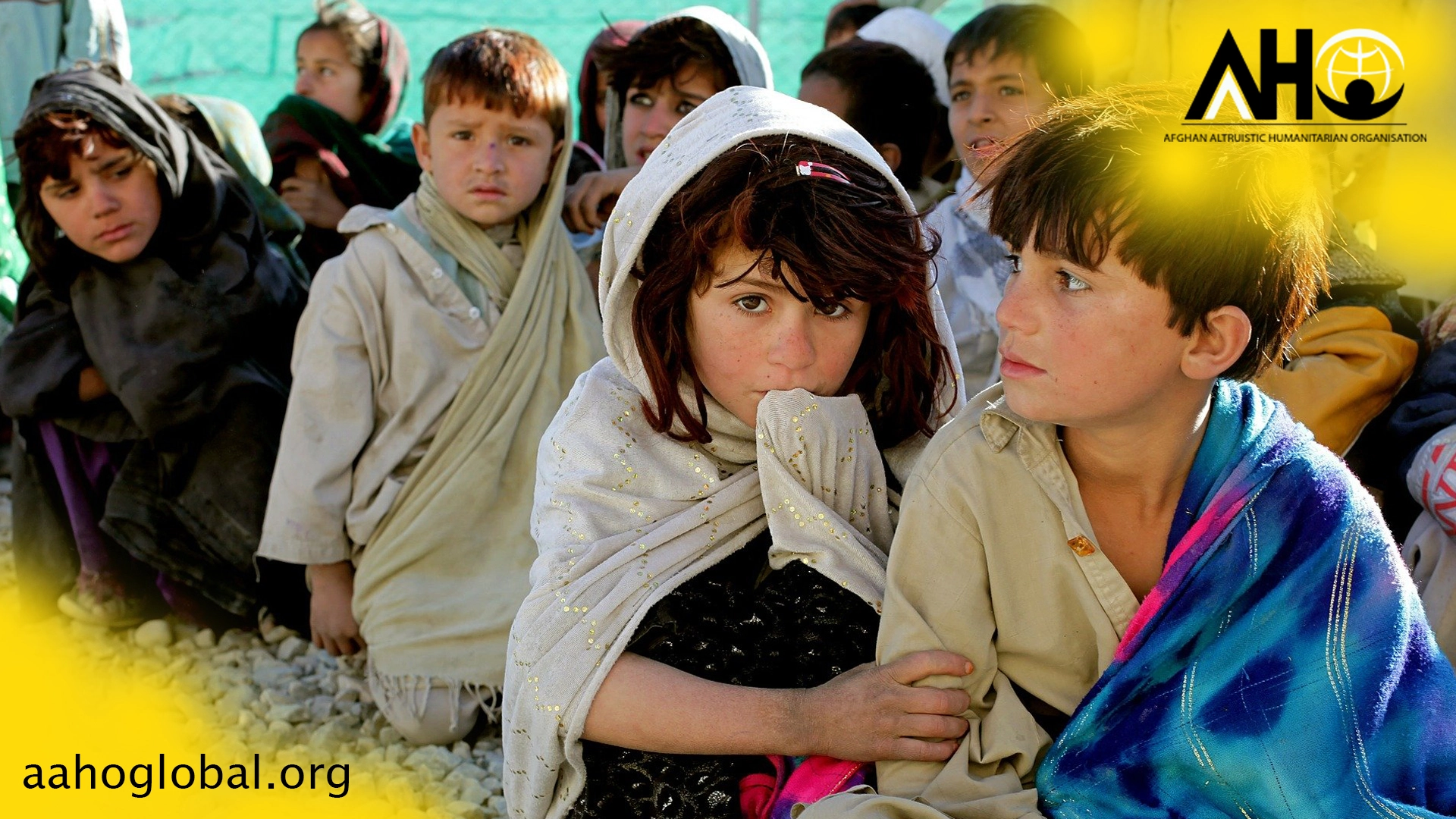
AAHO Charity
We provide healthcare services, education, and support to underserved communities worldwide.
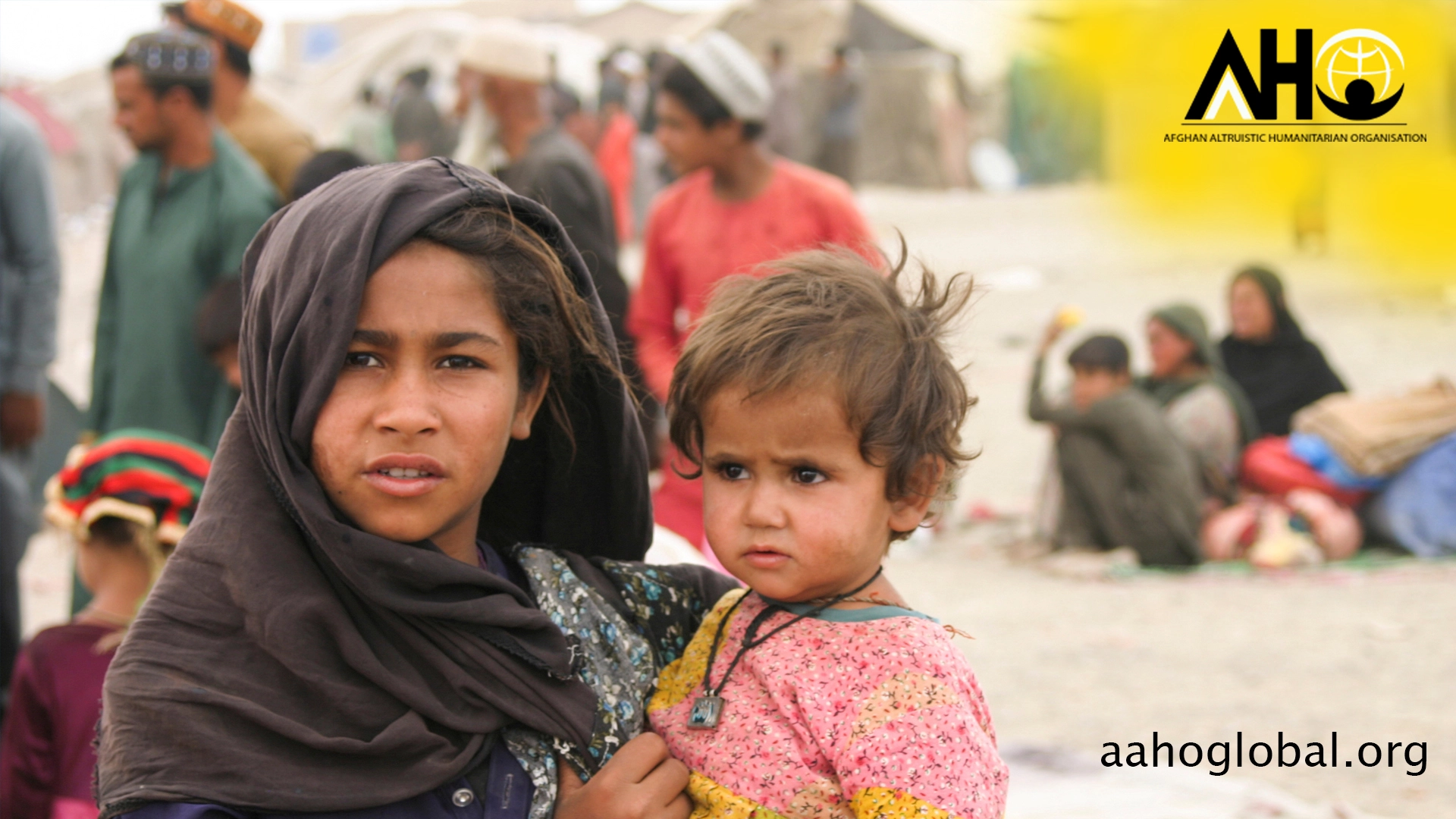
Education for All
Providing quality education and learning opportunities to children and adults in underserved communities
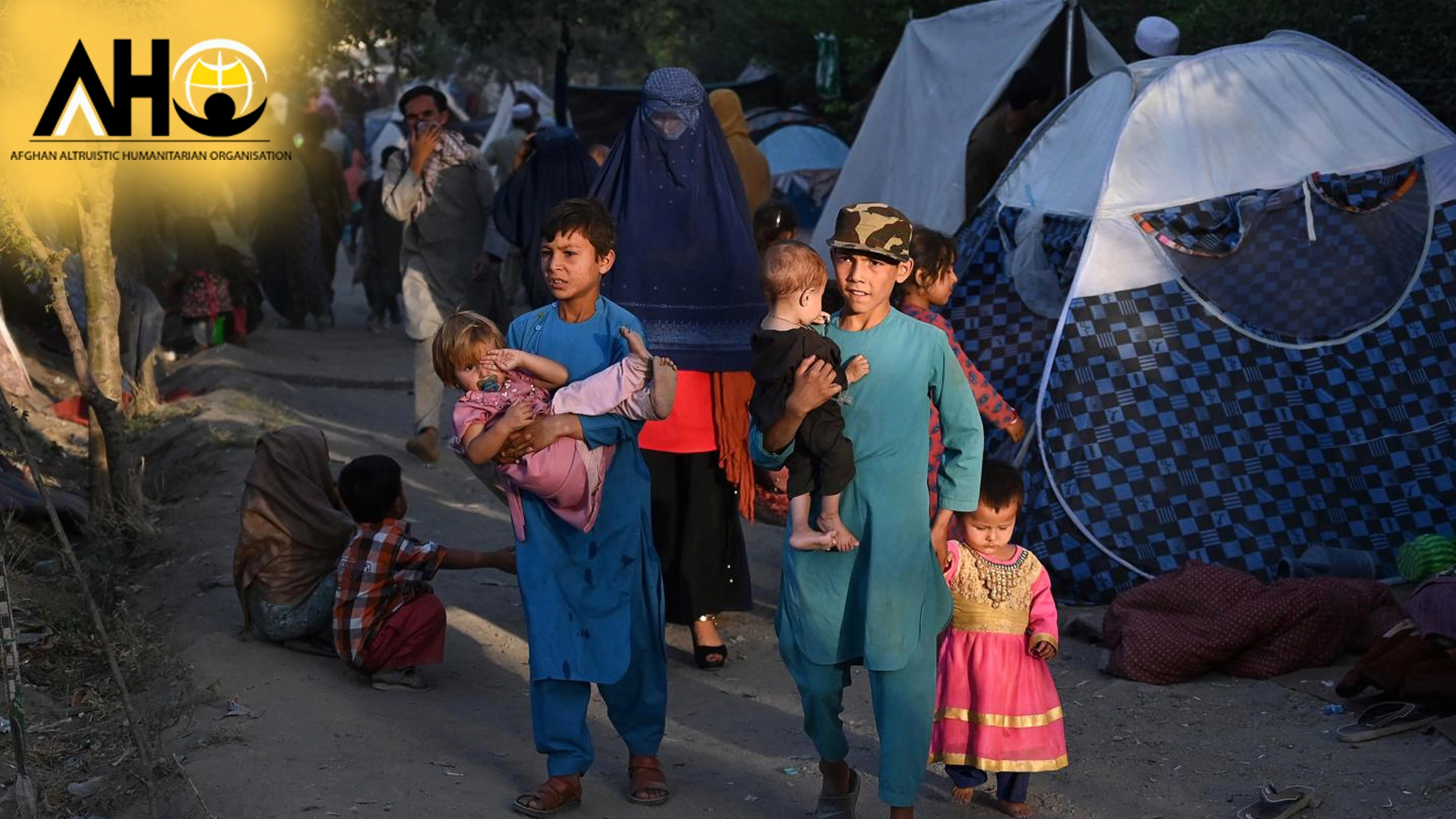
Healthcare Access
Ensuring access to quality healthcare services for vulnerable populations worldwide
Our Impact in Numbers
Afghan Altruistic
Humanitarian Organization
AAHO is a Netherlands-based non-governmental organization founded by members of the Afghan diaspora, committed to humanitarian service, peacebuilding, and human rights advocacy.
Rooted in Afghanistan yet operating across cultural and national boundaries, AAHO supports marginalized communities affected by conflict, displacement, and social injustice. Through collaborative efforts, we foster inclusive development, uphold human dignity, and contribute to a more just and peaceful world.
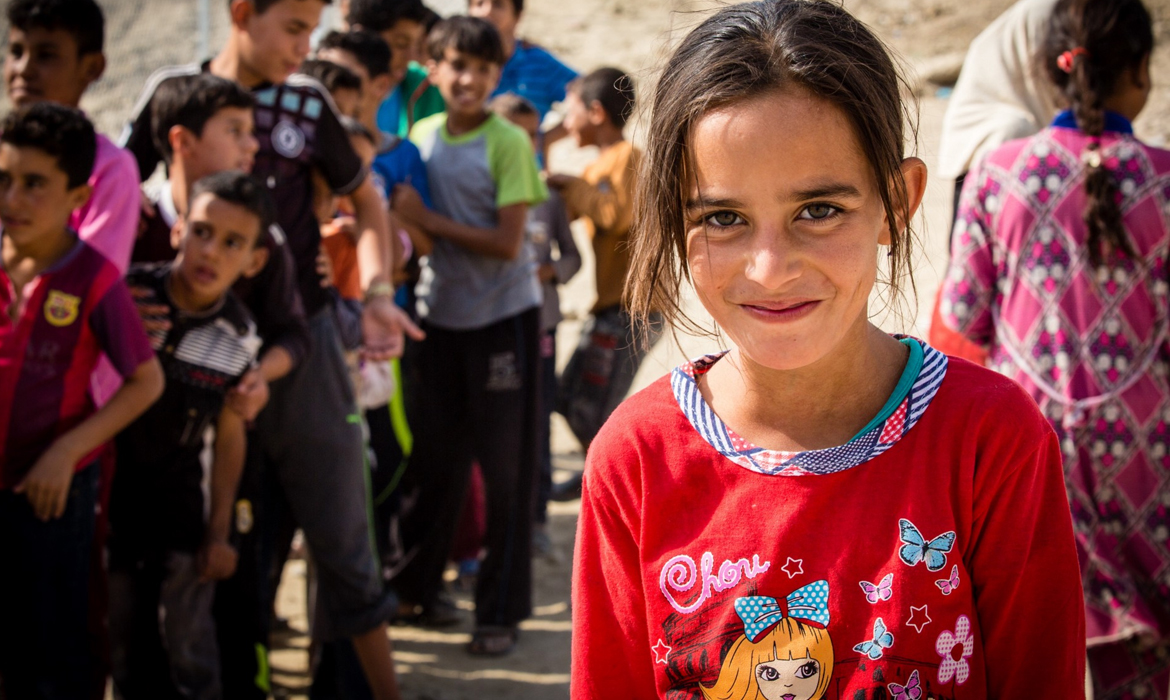
Our Purpose
Our Mission
AAHO empowers Afghan communities by honoring their cultural and historical strengths in medicine, knowledge, and wellbeing, and combining them with global expertise and universal values.
Our mission is to strengthen resilience, self-determination, and social progress by ensuring access to essential needs food, healthcare, education, and livelihoods while also advocating for human rights, peace, and sustainable development in Afghanistan and beyond.
Our Vision
At AAHO, we are committed to upholding fundamental human rights and promoting peace, dignity, and sustainable development for all.
As an altruistic humanitarian organization, we strive to be a center of solutions for those in need and a catalyst for positive change in conflict-affected regions such as Afghanistan and beyond.
How We Make a Difference
We provide comprehensive support across multiple domains to create lasting positive change
Education
Providing access to quality education and learning resources for underserved communities across Afghanistan.
Healthcare
Free medical consultations and healthcare services for those in need, especially in remote areas.
Community Support
Building stronger communities through mutual support and sustainable development programs.
Events & Campaigns
Regular community events, fundraisers, and awareness campaigns to drive positive change.
Membership
Exclusive membership benefits including funeral support and comprehensive family services.
Volunteer Network
Join our global network of dedicated volunteers making a real difference in communities worldwide.
Ready to Make an Impact?
Your contribution can change lives. Every donation, big or small, helps us create meaningful change in communities worldwide.
Latest Updates
Stay informed about our recent activities and success stories
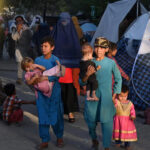
Community Impact Story
How our education programs are transforming lives in remote Afghan communities through sustainable development initiatives.
Read more
Medical Mission Success
Our latest medical mission provided essential healthcare services to over 500 families in underserved regions.
Read more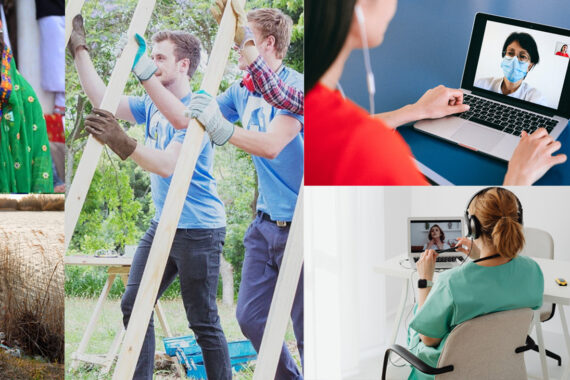
Volunteer Program Launch
Join our new volunteer program and make a direct impact in communities across Afghanistan and beyond.
Read more